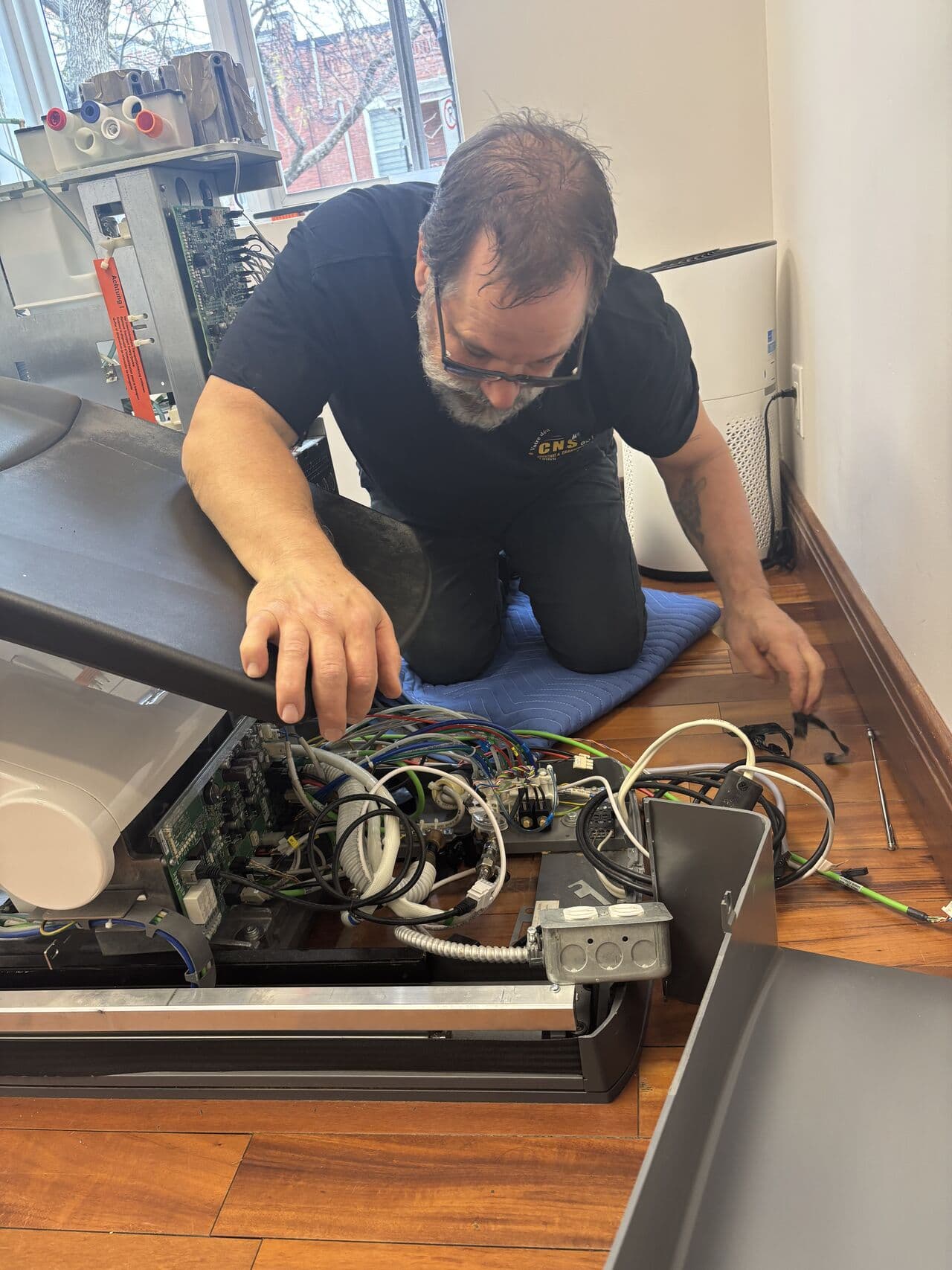
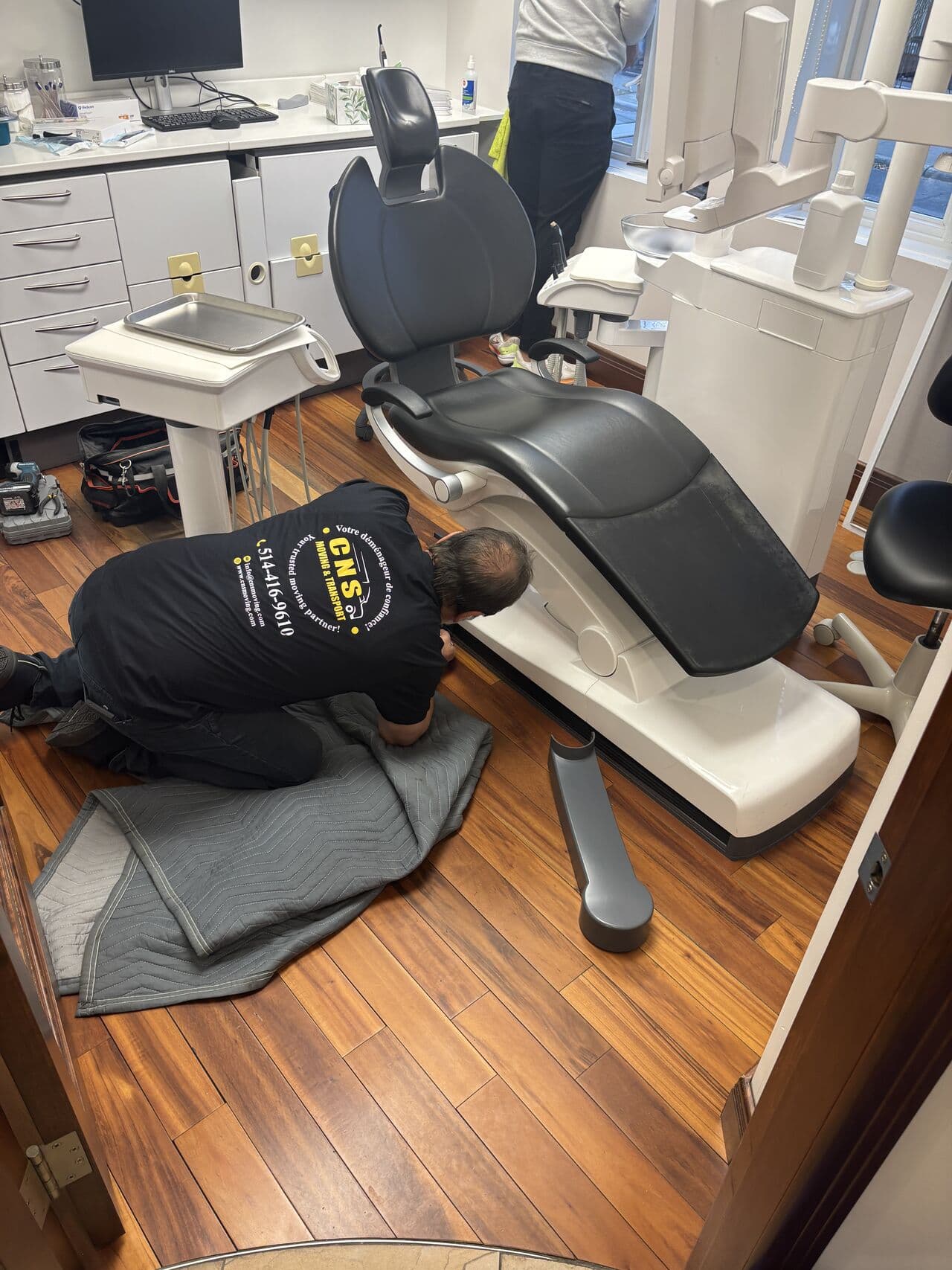
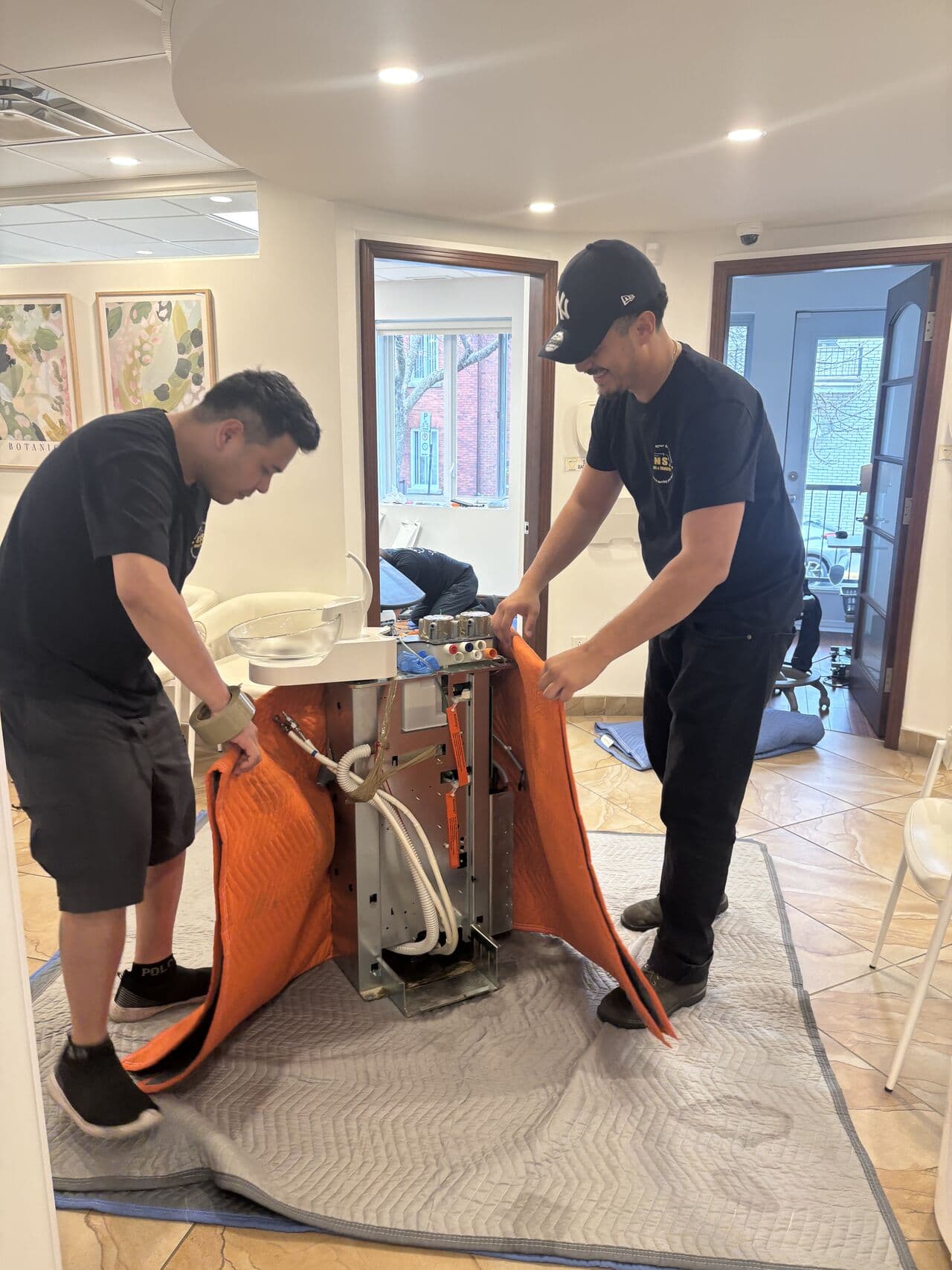
Do you move biosafety cabinets for Montreal hospitals and research institutions?+
Yes. CNS Logistics specializes in biosafety cabinet relocation with full chain-of-custody documentation and direct coordination with facility biosafety officers. We have completed 200+ laboratory and medical equipment moves for Montreal research institutions, including projects in the Technoparc cluster. ESD-safe transport protocols apply to all sensitive lab equipment.
How do you transport calibrated instruments without disrupting accreditation?+
Calibrated instruments are moved inside anti-vibration, anti-static crates with temperature logging where required. We document serial numbers, calibration certificates, and condition on pickup and delivery, and we coordinate directly with your qualified metrology vendor if post-move recalibration is required for ISO or CAP accreditation continuity.
Can you handle ultra-low freezers and cold-chain equipment?+
Yes. Ultra-low freezers, -80 freezers, and cold-chain units are relocated with continuous power or dry-ice backup when required, and temperature loggers are attached through the move. We coordinate with your lab manager on sample transfer windows to minimize thermal excursion beyond validated limits.
Do you coordinate with Montreal hospital facilities and biosafety officers?+
Yes. Our institutional coordinator liaises with hospital engineering, facilities, and biosafety teams for after-hours access, elevator reservations, biohazard packaging review, and chain-of-custody sign-offs. We have handled departmental moves inside active Montreal hospital environments with documented disruption windows.
What insurance and permits apply to laboratory equipment relocation?+
CNS Logistics carries commercial general liability, cargo, and specialty equipment coverage, and we issue certificates of insurance naming your institution as additional insured on request. For equipment that transits between Quebec and Ontario research sites, we operate under NIR permit R-160041-1 (CTQ), recognized across Canada under the National Safety Code.
How do you transport temperature-sensitive lab equipment in Montreal?+
CNS uses validated temperature-controlled containers covering −80 °C to +25 °C, with continuous data-logger monitoring at one-minute intervals. Every cold-chain shipment includes a temperature audit trail handed directly to the QA team on receipt. For shipments below −80 °C, dry-ice replenishment schedules are pre-calculated. Backup refrigeration units travel with any truck on routes longer than 4 hours. On Montreal-to-Toronto and Montreal-to-Ottawa cold-chain shipments, the temperature is monitored continuously from door to door.
Are CNS movers trained in ESD-safe protocols for analytical instruments?+
Yes. CNS crews handling HPLC systems, mass spectrometers, PCR thermocyclers, genomic sequencers, and flow cytometers wear grounding wrist straps, use ESD-safe foam-lined containers, and transport instruments on anti-static dollies. The truck floor, staging area, and loading dock are all grounded. Mr. Vermette — our lead technician with 20+ years of certified medical equipment handling experience — personally oversees ESD-protocol compliance on every analytical-instrument move.
Can you relocate a research lab during business hours without downtime?+
Most research-lab moves are scheduled outside business hours specifically to avoid downtime — Friday evening pack-out, weekend transport and reinstallation, Monday morning operational. For phased multi-week relocations (entire research buildings, multi-PI shared labs), CNS integrates the move plan into the institution's calendar so different research groups relocate sequentially without disrupting one another. After-hours and weekend dispatch is part of the standard service, not a paid add-on.
How much does it cost to move a laboratory in Montreal?+
Laboratory moving costs in Montreal vary with equipment volume, distance, access conditions, and special handling requirements. CNS provides a written, itemized estimate after a free site survey, so every rate and charge is set out before the move.
How long does a laboratory relocation take?+
Physical move execution depends on lab size: a small benchtop lab takes 1 to 3 days, a medium diagnostic facility 1 to 2 weeks, a large pharmaceutical or biotech lab 3 to 6 weeks, and a full research building 2 to 6 months as a phased relocation. Planning and coordination typically run 3 to 12 months ahead of move day to handle equipment decontamination scheduling, custom crating fabrication, regulatory approvals, and stakeholder coordination. CNS recommends initiating planning conversations at least 6 months before the target date for any move involving biosafety cabinets, ultracentrifuges, or genomic sequencers.
What credentials should I look for in a Montreal lab mover?+
Verify the mover holds current Transportation of Dangerous Goods (TDG) certification for every crew member handling hazardous materials, a Quebec NIR registration (Commission des transports du Québec), and commercial general liability plus cargo insurance with coverage limits high enough for your most expensive instrument. Ask for documented chain-of-custody procedures, ESD-protocol training records, and references from comparable Montreal research institutions. CNS holds all these credentials, including NIR permit R-160041-1 (CTQ), recognized across Canada under the National Safety Code, and issues certificates of insurance naming your institution as additional insured on request.
Do you handle Health Canada and MSSS compliance documentation?+
Yes. CNS produces chain-of-custody documentation that satisfies Health Canada requirements for Schedule I–V controlled substances, Medical Device Regulations audit trails for diagnostic equipment, and MSSS (Quebec Ministry of Health and Social Services) notification requirements for hospital department relocations. For research equipment funded by NSERC, CIHR, or FRQNT grants, the same documentation satisfies granting-agency asset-tracking requirements. Decontamination certificates from third-party providers and re-certification appointments at the destination are coordinated as part of the project management scope.